
Rammstein’s EU tours – ticket personalisation in the fight against unauthorised resale

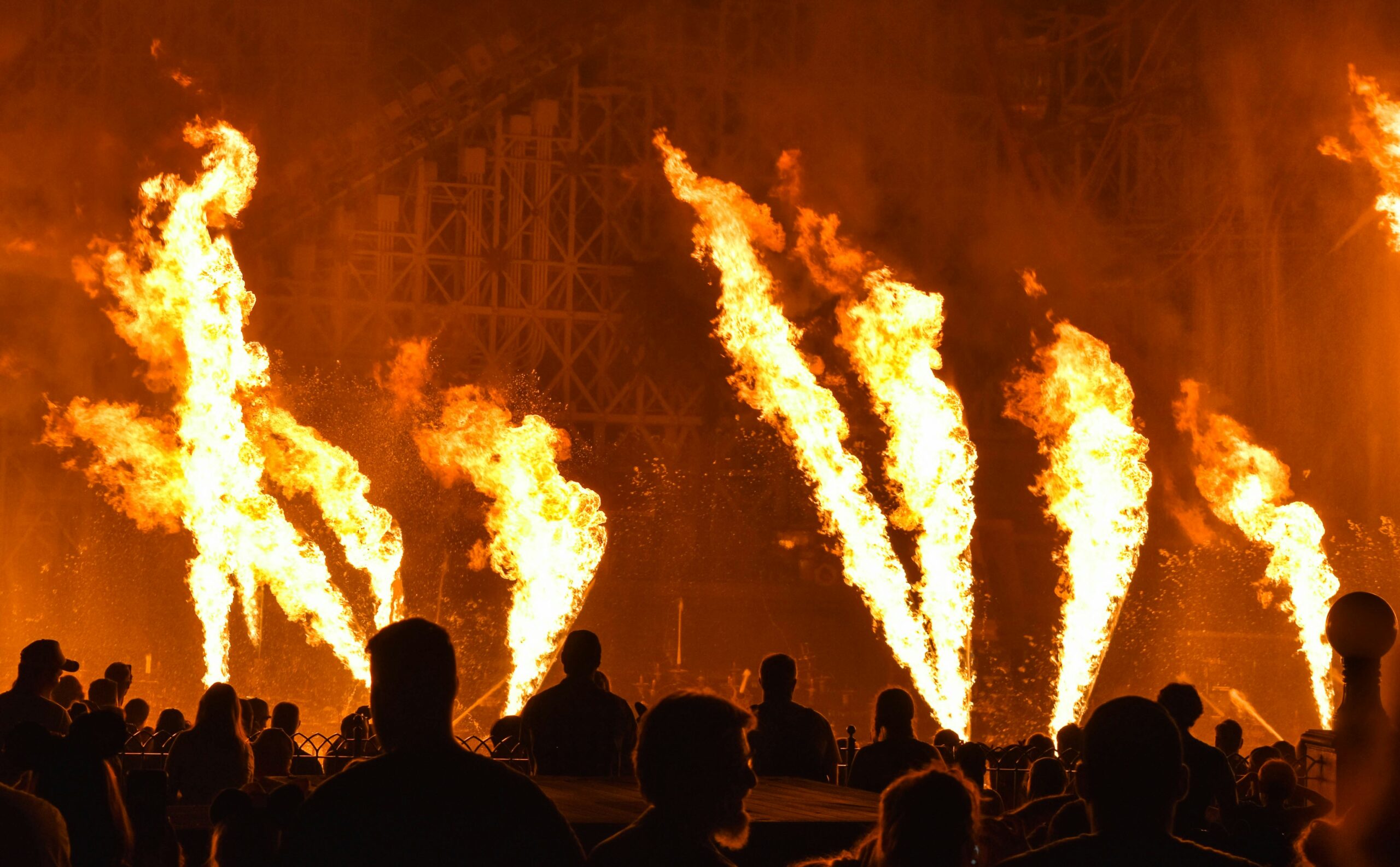
New data from German metal band Rammstein’s 2023 and 2024 European stadium tours has highlighted the intensive efforts undertaken by the band and their team to keep tickets in the hands of genuine fans. 

Working closely with promoter MCT-Agentur, Rammstein implemented a ‘hard personalisation’ policy to protect their audience. To prevent professional scalpers and automated bots from harvesting huge amounts of inventory for resale, tickets were sold under terms and conditions which legally bound each ticket to the named buyer. Any ticket identified as being resold via an unauthorised third-party website was in direct violation of these terms. These tickets were cancelled – not to penalise fans, but to strip away the incentive for unauthorised websites to offer tickets to the concerts. 

The process involved a rigorous cycle of data monitoring and the proactive cancellation of suspicious purchase orders before the tour began. On the nights of the shows, MCT operated dedicated troubleshooting desks to support fans who arrived with these cancelled tickets. Rather than simply being turned away, fans were given a clear explanation of why their ticket was invalid and provided with the necessary documentation to help them claim a refund from the third-party site that had misled them.

The scale of this operation was significant. In 2023, seven concerts were monitored with 706 tickets cancelled. This rose to 1,465 tickets across twelve shows in 2024. Unauthorised resale website Viagogo was identified as the primary source of the problem, accounting for around 60% of all cancelled tickets, while roughly 100 fans across the dates arrived with entirely fake or duplicated barcodes. 

Despite the larger number of unauthorised resale tickets identified for the 2024 tour, the data suggests that these preventative measures are working. Between 2023 and 2024, a clear shift in reseller behaviour was observed as ticket scalpers were forced to adapt to MCT’s efforts. Bulk purchases were noted to have largely disappeared, a regular occurrence for previous tours, with resellers limiting themselves to just two or three tickets per identity and using plausible email addresses that mimic genuine fans. It was also observed that far fewer Facebook groups associated with fake or fraudulent tickets appeared. 

MCT Agentur commented: “Rammstein and MCT invested significant resources to ensure that tickets were not scalped. While personalisation was a successful deterrent after action over the course of several tours, most artists simply don’t have the resources to police their concerts to this extent. We need regulation that prevents these sites from hosting unauthorised listings in the first place, rather than leaving the industry to fight it, or simply accept it at the expense of fans”.

City of Barcelona Signs Declaration Against Illegal Ticket Resale

Barcelona City Council has signed an official declaration affirming its commitment to the fight against illegal ticket resale. The move was supported by all political groups across the Council, recognising the harm that illegal resale does to the creative industries and members of the public. Barcelona is believed to be the first city in the world to make a commitment of this kind.

Each year, Barcelona hosts more than a thousand concerts and live events at iconic venues including Palau Sant Jordi, Parc del Fòrum, Estadi Olímpic, Gran Teatre del Liceu, L’Auditori and Palau de la Música Catalana. With an estimated 3 million fans attending these events annually, Barcelona City Council has reaffirmed its commitment to fair and safe ticket resale to protect fans and culture. 

Barcelona City Council paid special attention to ‘speculative ticketing’ in its declaration, where traders list tickets for resale before they have been purchased on the primary market. This leaves fans ‘burned’ when they receive a different ticket than expected, or don’t receive a ticket at all. 

The declaration also states the city’s support for FEAT as a non-profit organisation formed to improve ticket resale across Europe, representing the interests of live event organisers, music promoters, venues, sports clubs and fans. In 2024 FEAT welcomed new local members, the legendary football club FC Barcelona and Barcelona de Serveis Municipals (B:SM) who operate venues across the city. FEAT declared Barcelona as its “home city” at the start of 2024, and held its annual general meeting there in October.

In Europe, the ticket resale market is worth up to €3 bn annually, growing by about 10% a year. The market is driven by professional traders who use bots or other fraudulent methods to bulk-buy tickets, dramatically increase ticket prices, and often fail to list correct ticket information. Other anti-consumer practices include speculative ticketing, where traders advertise the sale of tickets not yet purchased, or offering tickets for concerts that have not yet gone on sale. 

FEAT founding director & CEO of Doctor Music, Neo Sala, said “This declaration cements Barcelona as a city that supports and nurtures live entertainment, concerts and festivals. I am delighted that the Council agrees with FEAT’s aims and objectives, and we firmly welcome their support in the fight against illegal ticket resale”.

FEAT Celebrates Fifth AGM, Covers Digital Services Act, Search Engines & Stronger Legislation

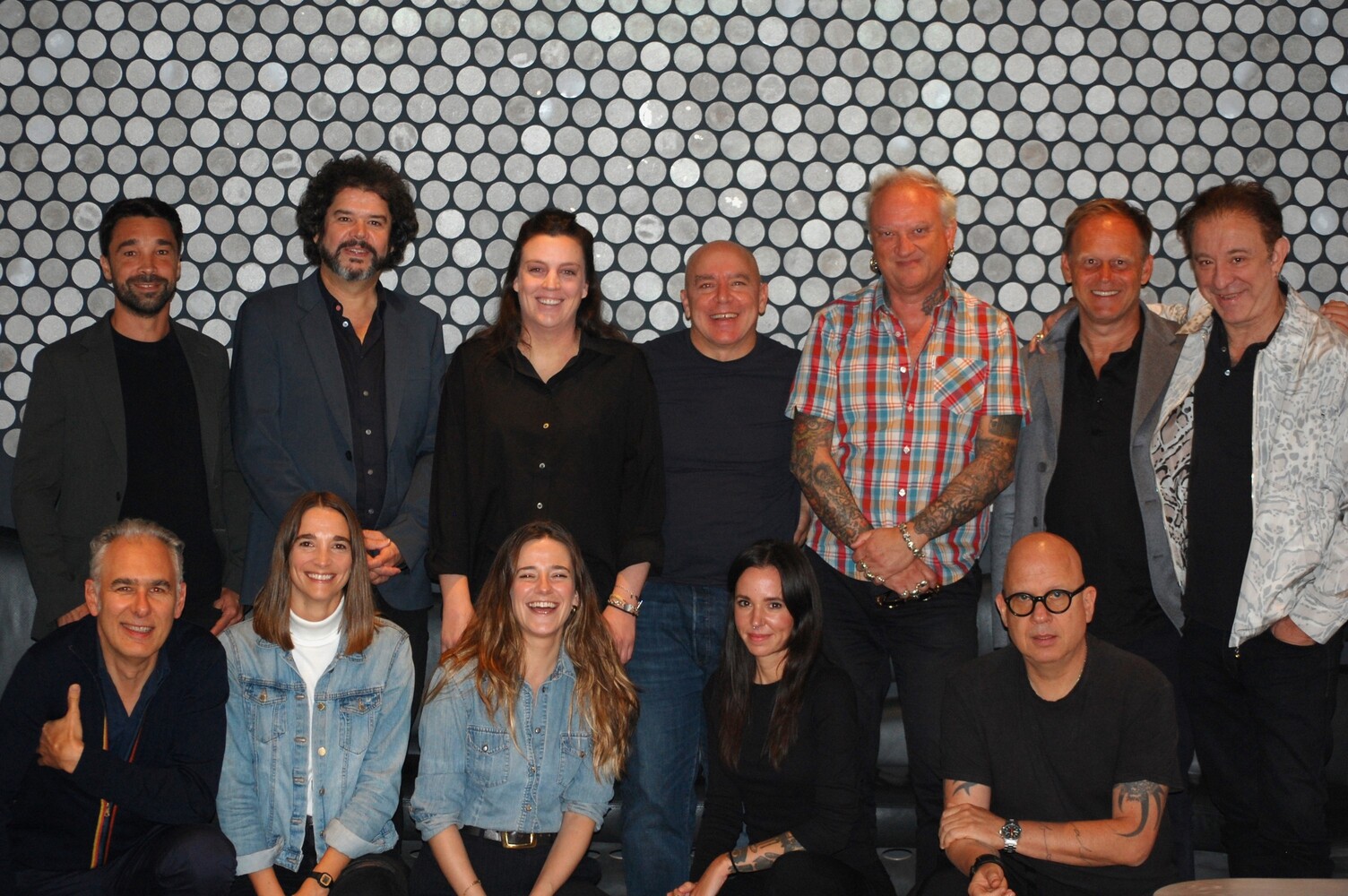
The Face-value European Alliance for Ticketing (FEAT) held its annual general meeting in Barcelona on Friday 11th October 2024, celebrating its fifth year of operation. 

The past 12 months have seen FEAT expand its membership beyond Europe’s music and entertainment sectors. It welcomed its first venue member, Barcelona’s Olympic Stadium and Palau Sant Jordi, as well as legendary football club FC Barcelona, with three of the club’s senior executives in attendance. 

Discussions covered dynamic pricing, the role of search engines and the roll out of the Make Tickets Fair! consumer awareness campaign. On the Digital Services Act, members agreed that, while the DSA provides a mechanism to report illegally listed tickets, its effectiveness may be more limited in countries that don’t have strong national laws on ticket resale. 

With some national regulators (Digital Services Coordinators) only operational as of last month, the DSA is still in its teething stages. Members committed to engaging with the new law, dedicating a member of their team to help file reports. With more needing to be done to prevent search engines directing fans to unauthorised resale platforms, members will also report search engines that direct consumers to illegal content online via the DSA. 

Members also agreed on the need for stronger legislation, whether authorised-only resale or a cap on resale above face value, and to look to build consensus among the industry to take to policy-makers.

FEAT founding director & CEO of Doctor Music Neo Sala, who hosted this year’s AGM, said: “It was great to see new FEAT members in Barcelona for another successful AGM. I am pleased that we will focus on using the DSA as best we can, but also look to hold search engines to account for directing fans to illegally listed tickets”.

FEAT founding director & CEO of MCT-Agentur, Scumeck Sabottka, added “It was good to renew FEAT’s commitment to fight predatory touts and scalpers, as well as to welcome our new members. It is clear that, although the DSA is a good first step, more regulation on ticket resale is needed”.


Sign up to our mailing list here:

Abonnez-vous à notre liste de diffusion ici:

Tragen Sie sich hier in unsere Mailingliste ein:

Inscríbase en nuestra lista de correo:

Iscriviti alla nostra lista di distribuzione qui: