
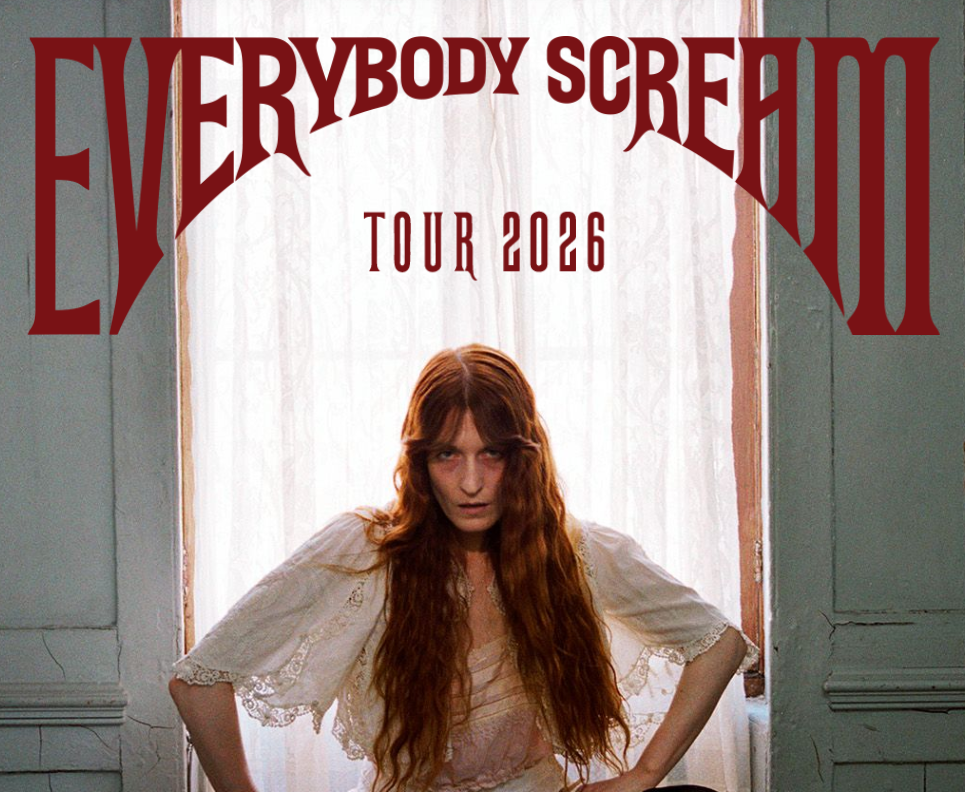
Florence + The Machine German tour targeted by unauthorised traders at expense of fans

Following the conclusion of Florence + The Machine’s “Everybody Scream” tour dates in Europe, an analysis by promoters MCT-Agentur has highlighted the extent of unauthorised ticket resale impacting fans in Germany. 

Despite the tour’s sold-out status and efforts by the promoter to maintain secure, authorised ticketing channels, monitoring of five major unauthorised platforms – Viagogo, Ticombo, SeatsNet, Ticketbande, and Gigsberg – revealed a coordinated effort by resellers to bypass official resale restrictions in Cologne, Munich and Berlin.

Tickets resold on unauthorised websites cause all kinds of problems at venue entrances. Promoter MCT-Agentur told FEAT that a number of fans arrived at the Berlin box office facing issues, ranging from receiving only an order confirmation instead of a ticket to fake tickets and unknown barcodes. Similar problems were also reported in Munich and Cologne regarding fake tickets and tickets that were not sent, resulting in customer complaints that they were unable to get through to customer service.  

Research conducted before the tour identified 2,837 ‘resale’ offers available to purchase across these websites. While the actual number of unique tickets may be slightly lower due to the likelihood of some sellers listing the same inventory across multiple sites, the volume remains significant relative to venue capacity.

MCT-Agentur found that:

  • There were 2,837 unauthorised listings across the three dates, with Munich seeing the highest volume at 1,125 tickets (7.25% of venue capacity), followed by Berlin (893) and Cologne (819).
  • Gigsberg emerged as the unauthorised website with the highest number of tickets available, with resellers offering 1,208 tickets across the three concerts.
  • Tickets were frequently listed at five to ten times their face value, with prices on Ticombo reaching a peak of €1,741 for the Munich performance.
  • On Ticombo, 99% of Cologne listings were priced over €600, with half exceeding €1,000. Significantly, every listing for the Cologne date originated from a single company, evidence of commercial-scale harvesting rather than fan-to-fan resale.

MCT Agentur said: “We have once again found that fans do not distinguish between buying tickets on the primary or secondary market. The resulting damage to reputation affects not only the promoters but also the artists. We urgently need a law to curb the scalping of tickets in Germany.”
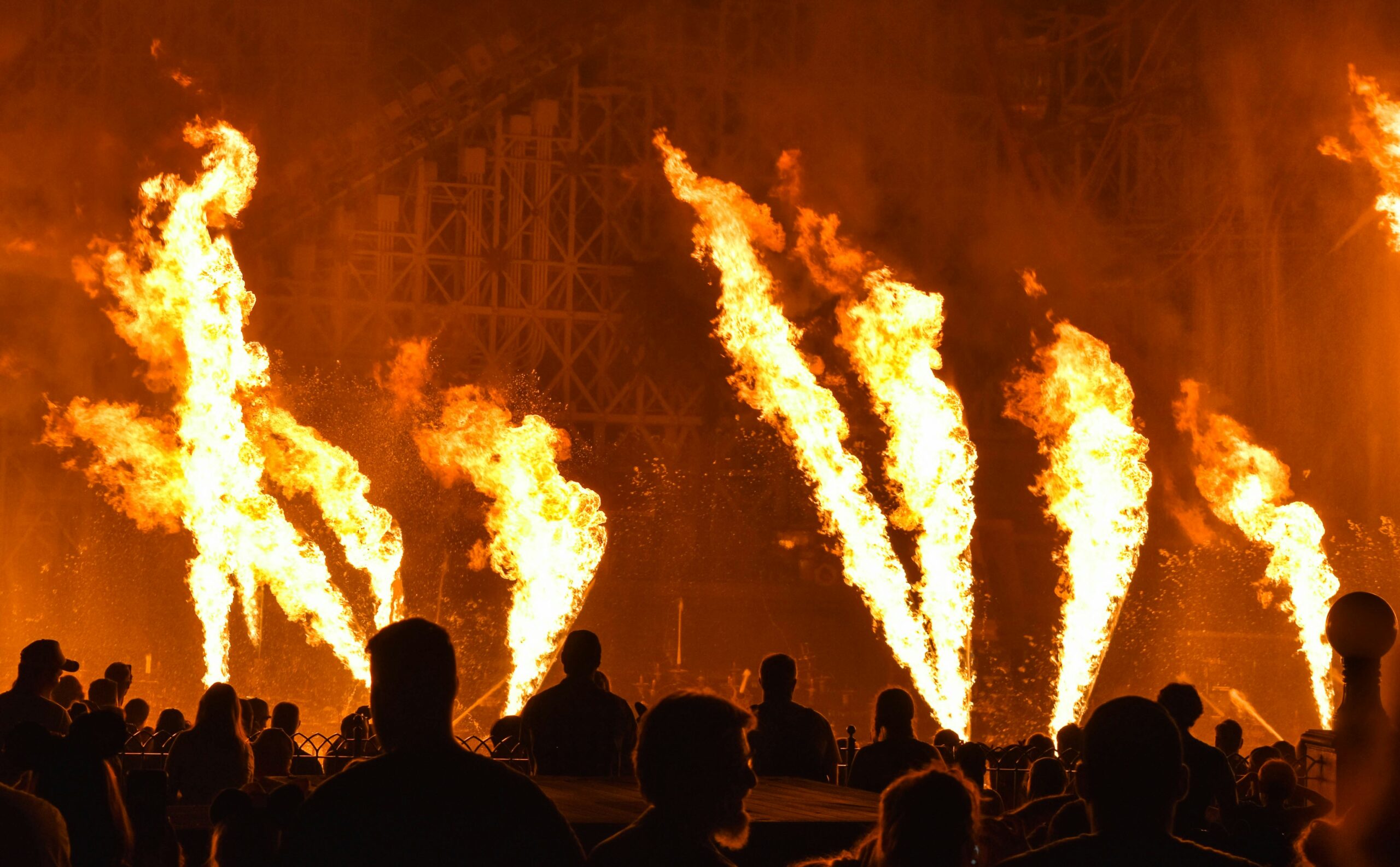

Rammstein’s EU tours – ticket personalisation in the fight against unauthorised resale

New data from German metal band Rammstein’s 2023 and 2024 European stadium tours has highlighted the intensive efforts undertaken by the band and their team to keep tickets in the hands of genuine fans. 

Working closely with promoter MCT-Agentur, Rammstein implemented a ‘hard personalisation’ policy to protect their audience. To prevent professional scalpers and automated bots from harvesting huge amounts of inventory for resale, tickets were sold under terms and conditions which legally bound each ticket to the named buyer. Any ticket identified as being resold via an unauthorised third-party website was in direct violation of these terms. These tickets were cancelled – not to penalise fans, but to strip away the incentive for unauthorised websites to offer tickets to the concerts. 

The process involved a rigorous cycle of data monitoring and the proactive cancellation of suspicious purchase orders before the tour began. On the nights of the shows, MCT operated dedicated troubleshooting desks to support fans who arrived with these cancelled tickets. Rather than simply being turned away, fans were given a clear explanation of why their ticket was invalid and provided with the necessary documentation to help them claim a refund from the third-party site that had misled them.

The scale of this operation was significant. In 2023, seven concerts were monitored with 706 tickets cancelled. This rose to 1,465 tickets across twelve shows in 2024. Unauthorised resale website Viagogo was identified as the primary source of the problem, accounting for around 60% of all cancelled tickets, while roughly 100 fans across the dates arrived with entirely fake or duplicated barcodes. 

Despite the larger number of unauthorised resale tickets identified for the 2024 tour, the data suggests that these preventative measures are working. Between 2023 and 2024, a clear shift in reseller behaviour was observed as ticket scalpers were forced to adapt to MCT’s efforts. Bulk purchases were noted to have largely disappeared, a regular occurrence for previous tours, with resellers limiting themselves to just two or three tickets per identity and using plausible email addresses that mimic genuine fans. It was also observed that far fewer Facebook groups associated with fake or fraudulent tickets appeared. 

MCT Agentur commented: “Rammstein and MCT invested significant resources to ensure that tickets were not scalped. While personalisation was a successful deterrent after action over the course of several tours, most artists simply don’t have the resources to police their concerts to this extent. We need regulation that prevents these sites from hosting unauthorised listings in the first place, rather than leaving the industry to fight it, or simply accept it at the expense of fans”.

Germany’s BDKV secures judgement against Ticketbande

The regional court of Hanover has ordered German secondary ticketing site Ticketbande to restrict the resale of tickets on its site.

Under these restrictions, there are two scenarios in which Ticketbande may not list tickets. Firstly, if a seller marks up a ticket to 25% above face value when the terms of the original ticket contain a specific clause agreed with the courts that forbid this.

Secondly, when tickets have a box for the buyer’s name. This means that they are named tickets and non-transferable (providing there is a way for that named person to get a refund if they cannot attend a show).

The court order against Ticketbande was sought by the German promoter’s association BDKV. Dr Johannes Ulbricht of law firm Michow & Ulbricht, who represents BDKV, said:

This verdict finally eliminates a crucial grey area in ticket sales [and brings event organisers] a great step further in the fight against the commercial secondary market ticketing trade”.

FEAT’s director, Sam Shemtob, commented:

This illustrates the traction that a variety of national movements, such as BDKV’s [anti-touting campaign] are getting across Europe, and shows that local judiciaries are not falling for spurious arguments in support of industrial level touting”.

For further information, see the CMU report.


Sign up to our mailing list here:

Abonnez-vous à notre liste de diffusion ici:

Tragen Sie sich hier in unsere Mailingliste ein:

Inscríbase en nuestra lista de correo:

Iscriviti alla nostra lista di distribuzione qui: